Water flossers have become an essential tool for maintaining oral hygiene, offering an efficient and gentle way to clean between teeth and along the gumline. However, one critical question often arises among users: Does the nozzle of the water flosser need to be changed regularly? The short answer is yes. Below, As a professional water flosser manufacturer, Powsmart will explore why this maintenance step is crucial and how to ensure you’re getting the most out of your device.
The nozzle of a water flosser is the primary component that directs water to remove plaque, food debris, and bacteria. Over time, the efficiency of this essential part can decline due to wear and tear. Regularly changing the nozzle ensures that your water flosser continues to perform at its best, helping you maintain optimal oral health.
Like any tool exposed to moisture, the nozzle of the water flosser can become a breeding ground for bacteria if not replaced. Additionally, mineral deposits from water can build up inside the nozzle, restricting water flow and reducing cleaning effectiveness. Regular replacement minimizes these risks and ensures a hygienic cleaning process.
Most manufacturers recommend changing the nozzle every 3 to 6 months, depending on usage. This guidance is based on tests that show how regular wear impacts the nozzle’s functionality. Following these guidelines can help you avoid potential issues and maintain the effectiveness of your water flosser.
Even if you’re unsure of the exact timeline, certain signs indicate it’s time to change the nozzle of your water flosser:
Replacing your water flosser’s nozzle regularly offers several advantages:
Improved Performance: A new nozzle ensures consistent water pressure and flow.
Better Hygiene: Fresh nozzles prevent bacteria and residue buildup.
Enhanced Comfort: A functional nozzle delivers a gentle yet effective cleaning experience.
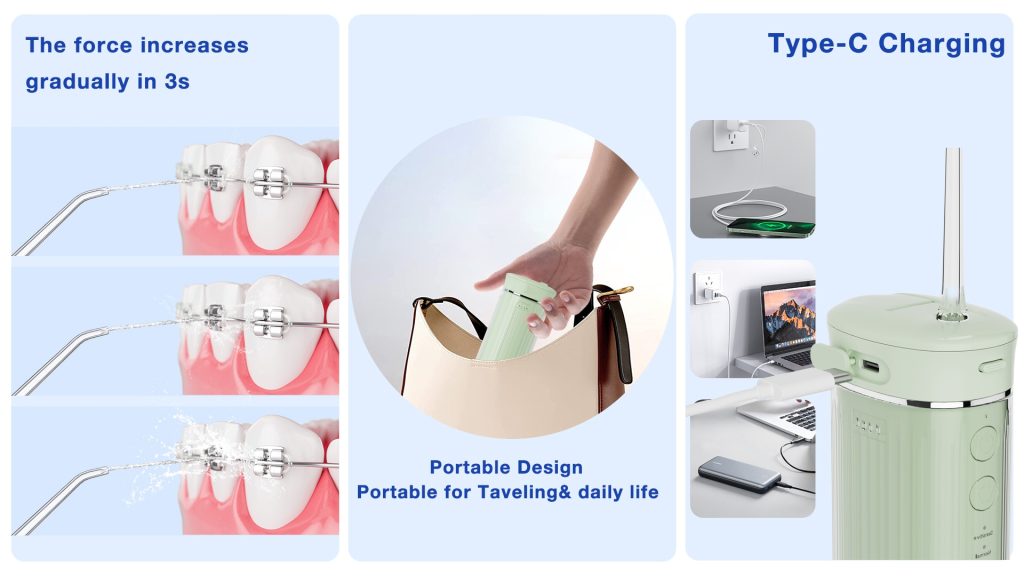
When replacing the nozzle, ensure compatibility with your water flosser model. Some manufacturers offer specialized nozzles tailored to specific needs, such as orthodontic cleaning or plaque removal. Selecting the right type not only enhances the functionality of your device but also ensures you address your unique oral health requirements.
In conclusion, regularly changing the nozzle of the water flosser is a simple yet vital step in maintaining its performance and ensuring optimal oral hygiene. By following manufacturer recommendations and watching for signs of wear, you can enjoy the full benefits of your device while keeping your smile healthy and bright. If you haven’t replaced your nozzle recently, now is the perfect time to do so! Contact Powsmart if you want to customize your own branded water flosser!https://www.powsmart.com/contact-us/
.jpg)
oral thrush water flosser guide: gentle cleaning
Peroxide-Free Whitening Kit Wholesale for Global Distribution
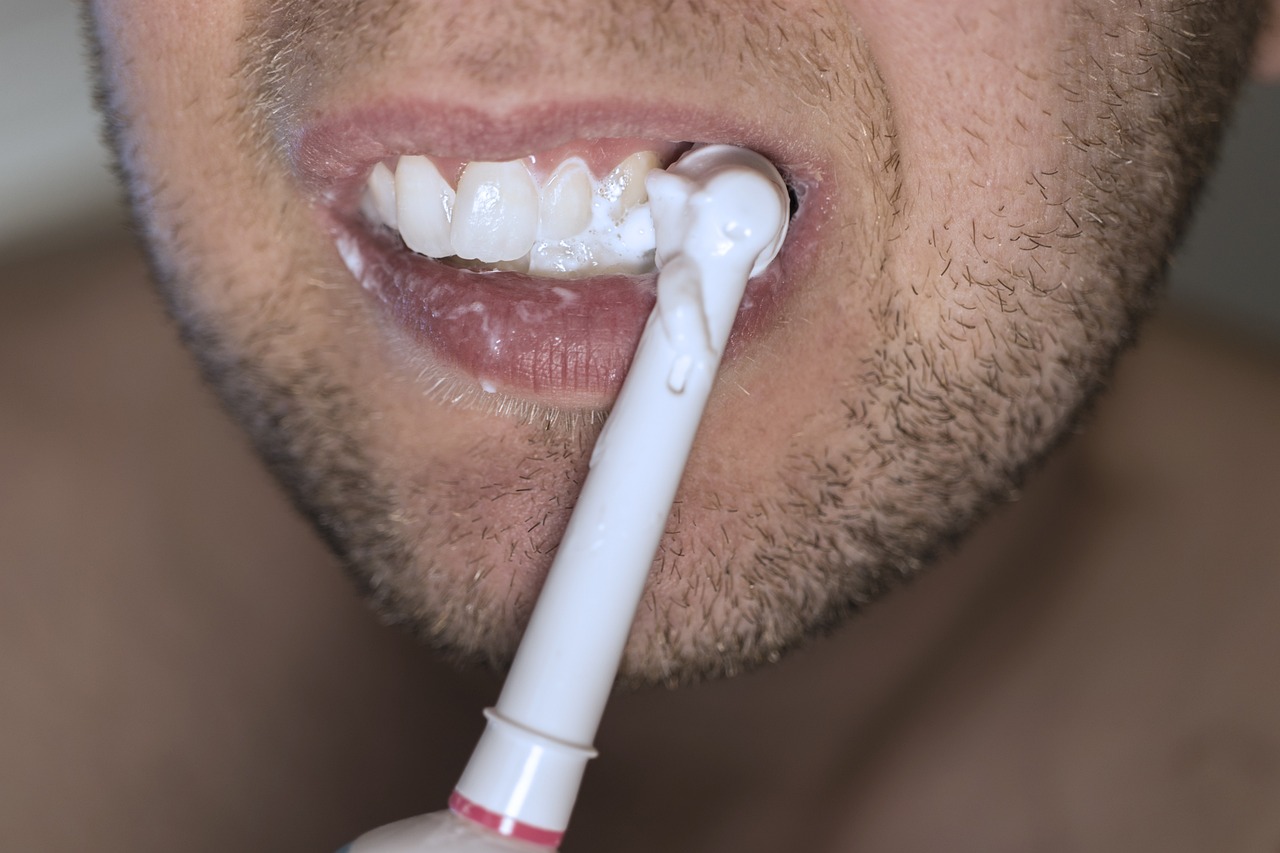
Is the Electric Toothbrush Market Growing?
.jpg)
Why Partner with a Water Flosser Supplier for a Multi-Function Flosser with Massage Modes?
Dual Clean Head Electric Toothbrush Bulk Supply | High-Volume OEM Manufacturing
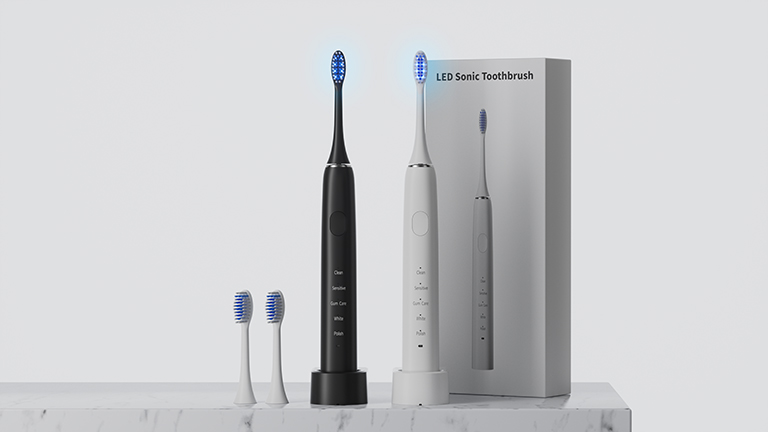
Electric Toothbrush Battery Life: A Key OEM Consideration for Product Competitiveness
.jpg)
Where to Find Electric Toothbrush Manufacturer Reviews to Identify the Best Electric Toothbrush for Distributors?
Compact Size Sonic Toothbrush Wholesale | Lightweight Travel-Friendly OEM Supply
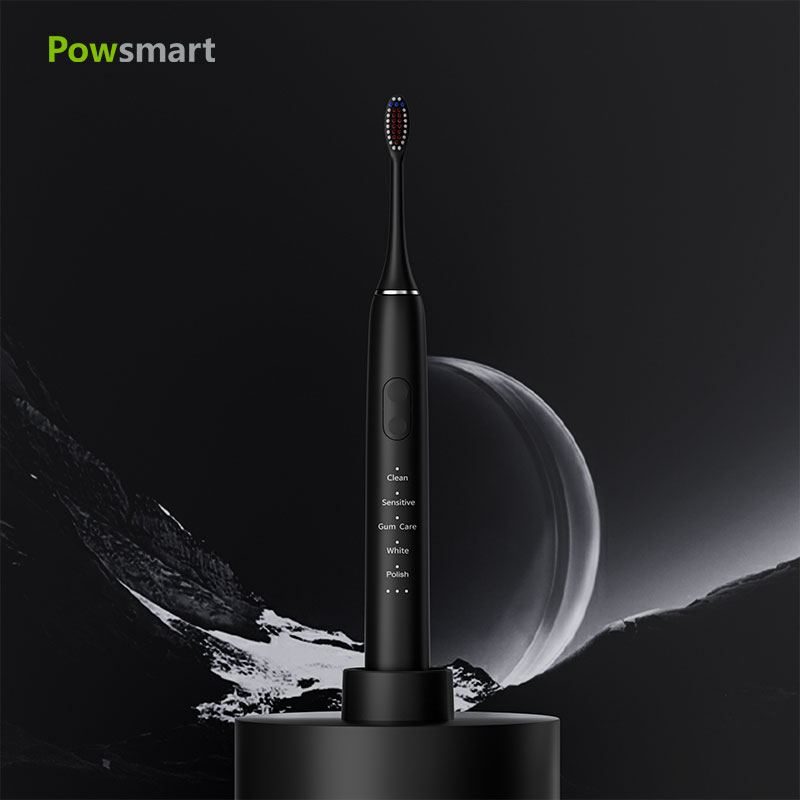
Electric Toothbrushes Are Not as Good as Regular Toothbrushes?
Do Blue Light Toothbrushes Work? A Manufacturer’s Perspective for Smart Brand Choices
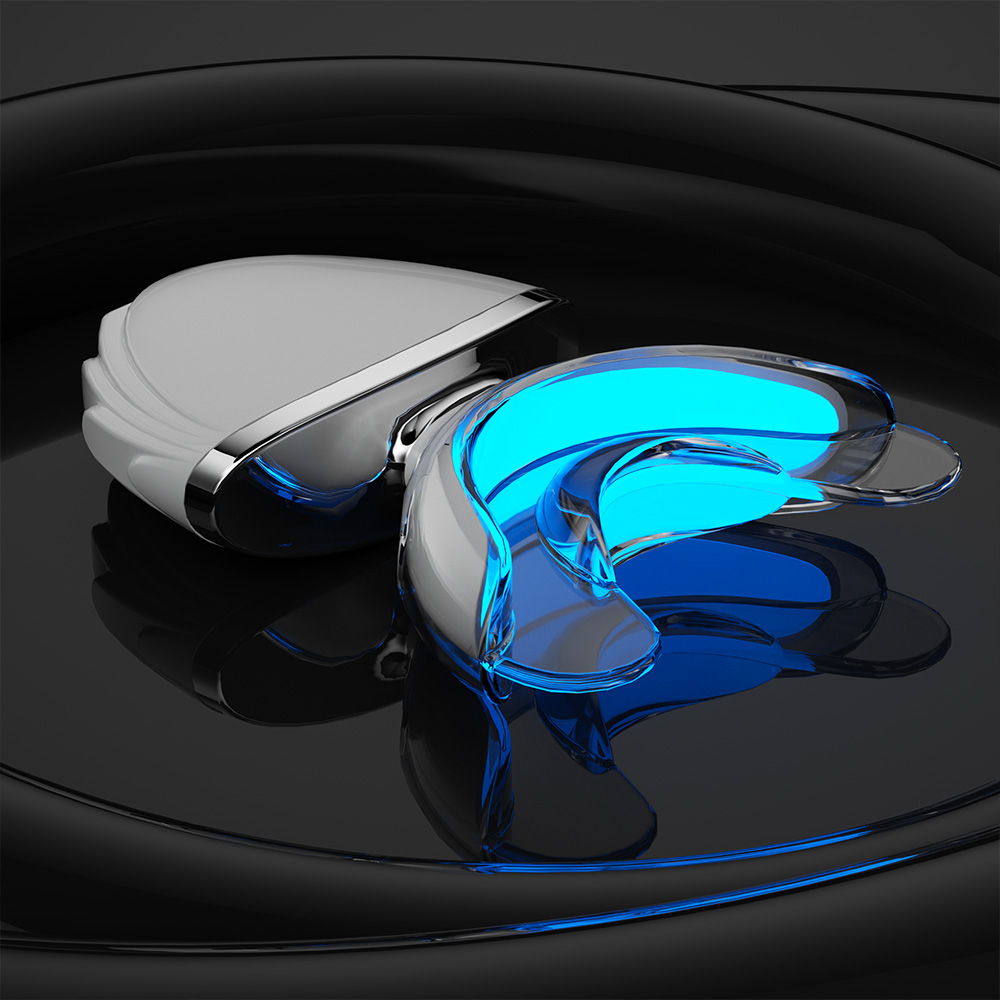
How Important It Is to Whiten Your Teeth!
Sync Errors Causing Taste Distortion – Tech Glitch?
.jpg)
Chicago holiday deals on a Chicago subscription toothbrush — worth it?
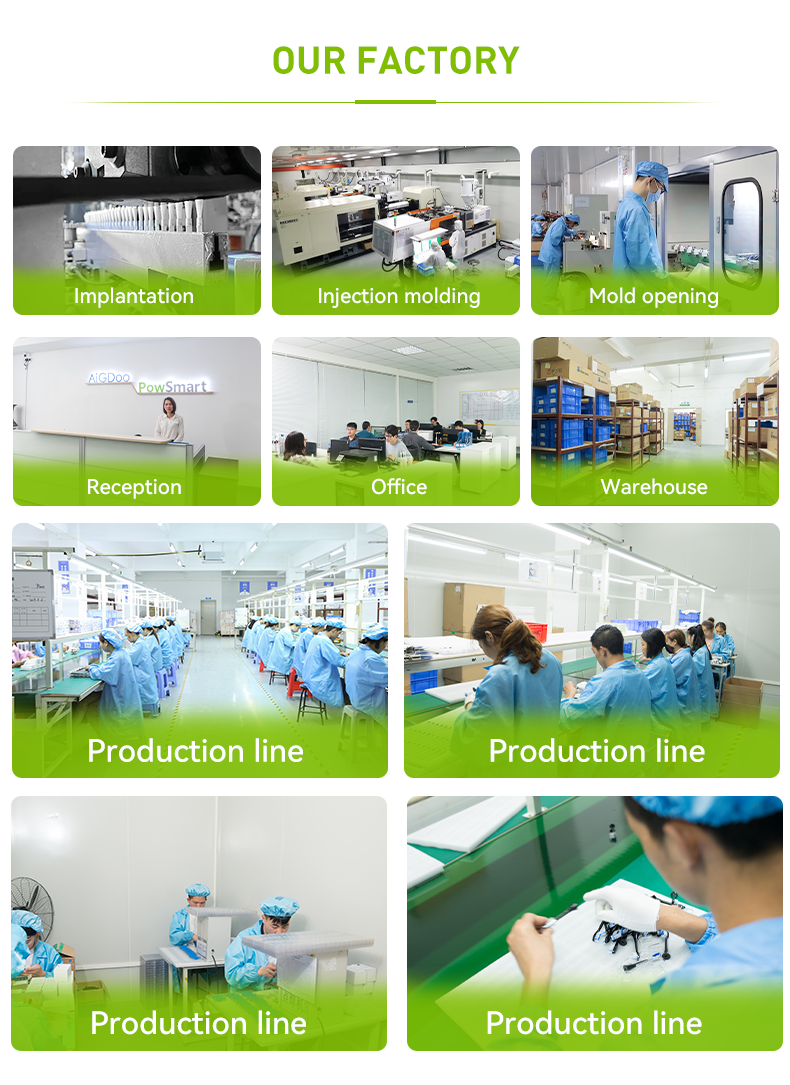
Does HIPAA-Compliant Cloud Sync Require End-to-End Data Encryption?
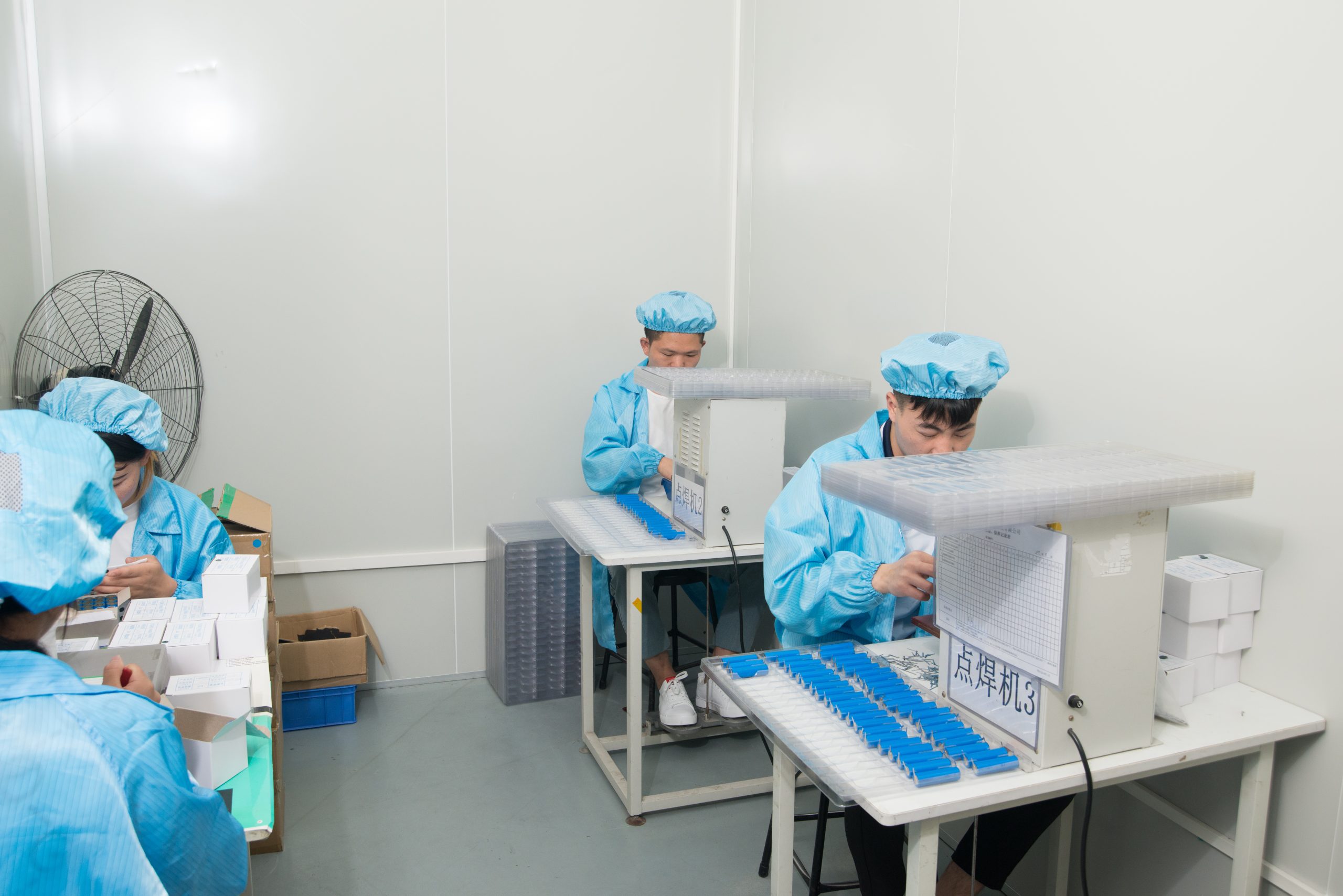
5 Characteristics of a High-Quality Electric Toothbrush Factory
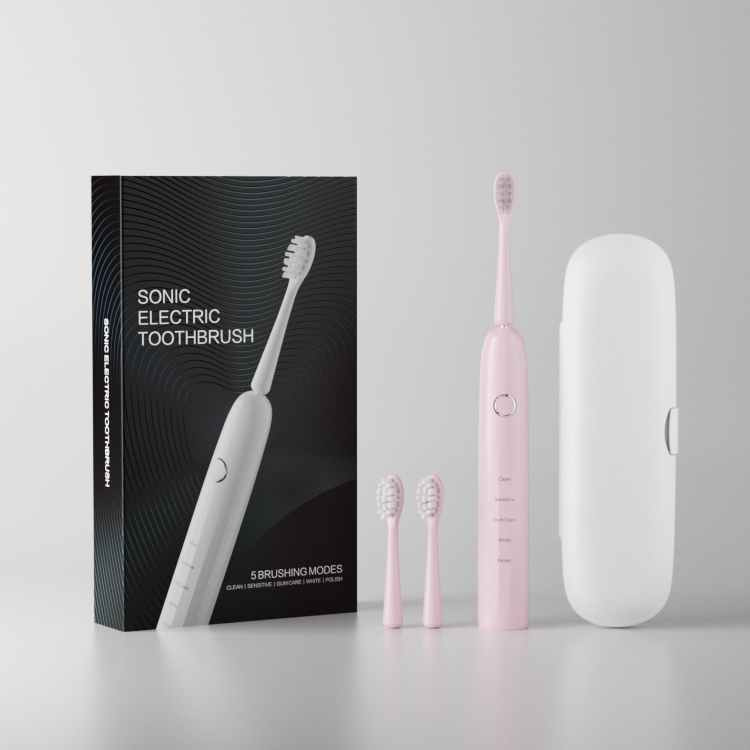
Should a 7-Year-Old Use an Electric Toothbrush?


.jpg)
.jpg)
.jpg)
.jpg)
.jpg)







.jpg)
.jpg)