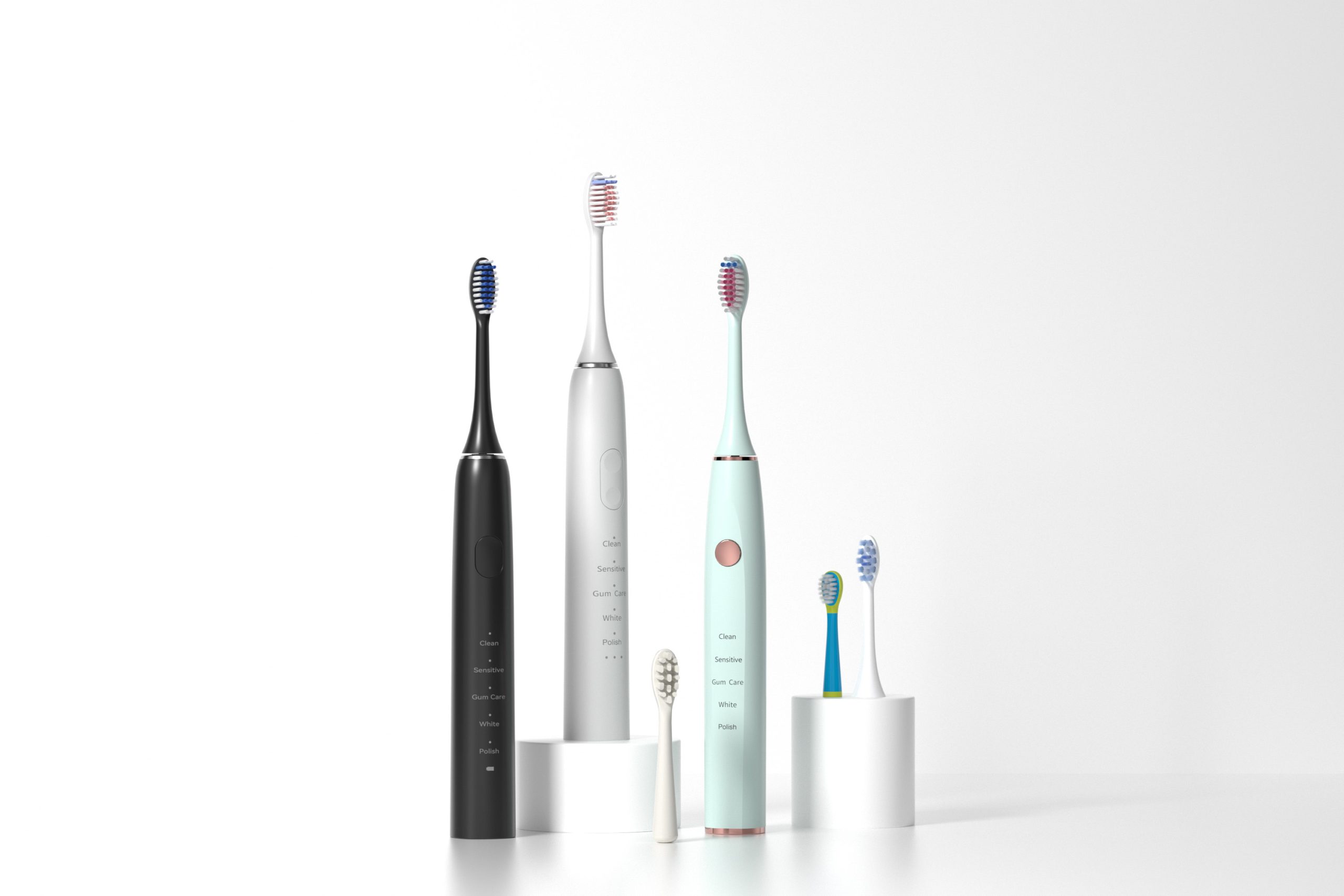
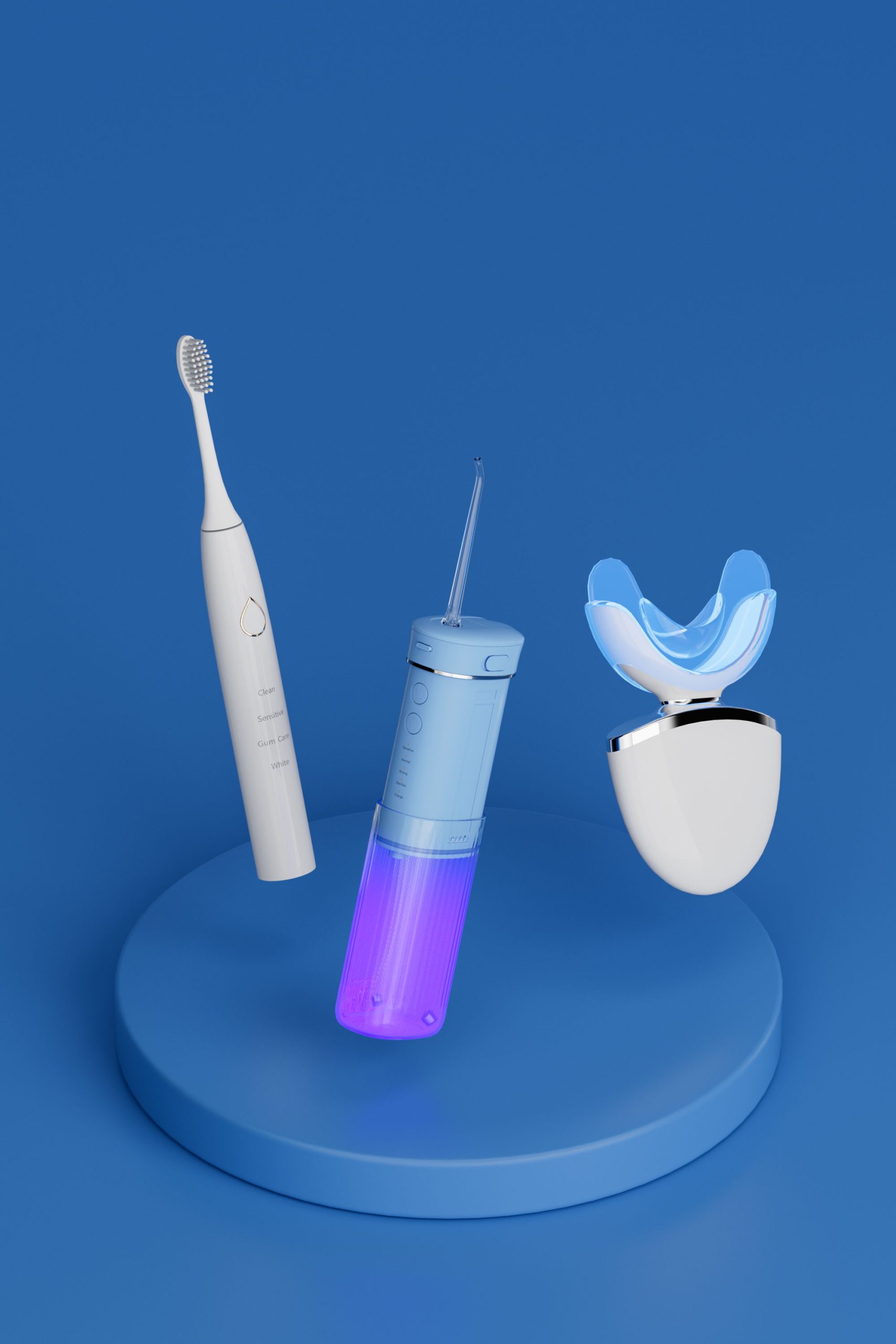
The adult smart toothbrush is reshaping the global oral-care industry as consumers increasingly adopt connected wellness devices. With intelligent sensors, app-guided routines, and personalized brushing feedback, smart toothbrushes deliver a significantly improved user experience. Therefore, retailers and OEM buyers view smart models as a high-potential category for both premium and mid-range markets. Moreover, adult smart toothbrushes appeal strongly to tech-savvy customers who value data, analytics, and improved brushing performance. As smart health ecosystems expand, these devices continue gaining popularity across global marketplaces. Why Smart Brushing Technology Matters for Retailers Smart toothbrushes monitor brushing pressure, coverage, and duration, offering real-time guidance that improves oral-care habits. Although manual and basic electric brushes provide convenience, connected models deliver measurable progress. Consequently, retailers use smart devices to differentiate their catalog and attract higher-value customers. The Oral Health Foundation highlights the importance of brushing duration and proper cleaning angles for better hygiene outcomes (https://www.dentalhealth.org/). Smart toothbrushes support these educational goals effectively. OEM Custom Features for Adult Smart Toothbrushes Smart toothbrushes can be equipped with Bluetooth connectivity, multi-mode settings, LED feedback indicators, and position-tracking sensors. Additionally, brands can request custom mobile-app integration or private-label user interface design to strengthen brand identity. To explore customizable smart models,…
The waterproof IPX7 toothbrush has become an essential product category for distributors seeking reliable and durable oral-care devices. Because consumers increasingly use electric toothbrushes in the shower or rinse them frequently under running water, high-level waterproof protection is now a standard expectation. Consequently, IPX7-rated toothbrushes offer a major competitive advantage for brands that prioritize durability and long-term user satisfaction. In addition, IPX7 protection ensures the device maintains consistent performance even in humid environments, making it ideal for travelers, athletes, and customers living in areas with high moisture levels. Why IPX7 Waterproofing Matters for Retail Buyers IPX7 certification indicates that a device can withstand immersion in water up to one meter for 30 minutes. Although consumers may not fully understand the numerical rating, they value reliability and product safety. Therefore, offering IPX7 models allows retailers to confidently promote durability and prevent common water-damage complaints. Industry experts such as the Oral Health Foundation highlight the importance of safe hygiene practices, including properly rinsing toothbrushes to maintain cleanliness (https://www.dentalhealth.org/). IPX7 protection supports these habits effectively. OEM Design Features Supporting Waterproof Performance Waterproof toothbrushes rely on sealed internal structures, reinforced casing materials, and moisture-resistant charging systems. Furthermore, OEM buyers can choose magnetic charging, USB-seal…
The micro-vibration toothbrush is becoming a top choice for international importers seeking a gentle yet effective cleaning technology that appeals to modern consumers. With increasing awareness of gum health, micro-vibration systems deliver a smoother brushing experience that reduces irritation while still providing strong plaque removal. As a result, distributors are adding these devices to premium and sensitive-care product lines to meet growing global demand. Furthermore, micro-vibration technology enables brands to target customers who avoid high-intensity brushing but still want advanced sonic performance. This balanced combination of comfort and efficiency makes micro-vibration toothbrushes ideal for a wide range of user groups, including professionals, seniors, and first-time electric toothbrush users. Benefits of Micro-Vibration Technology for Retail Buyers Retailers increasingly choose low-intensity sonic devices because they support gum comfort without compromising cleaning capability. Although high-power models offer strong performance, many customers prefer a softer alternative. Therefore, micro-vibration technology helps brands cater to sensitive-gum users—one of the fastest-growing oral-care segments. Additionally, the Oral Health Foundation reports that gentle brushing methods are essential for preventing gum recession and enamel wear (https://www.dentalhealth.org/). This strengthens the marketing value of micro-vibration devices across wellness-focused channels. OEM Custom Options for Micro-Vibration Sonic Designs Micro-vibration toothbrushes can be customized with…
The premium electric toothbrush has become a top choice for global distributors seeking to enter high-end oral-care markets. Because consumers increasingly associate oral hygiene with overall wellness, premium toothbrushes offer advanced features that elevate brushing comfort, efficiency, and long-term results. As a result, retailers use premium models to strengthen their brand identity and differentiate their product catalogs. In addition, premium toothbrushes often appeal to lifestyle-oriented customers who prioritize durability, aesthetic design, and advanced brushing technology. What Defines a Premium Sonic Toothbrush? Premium toothbrushes combine powerful sonic motors, advanced brushing modes, elegant materials, and long-lasting performance. Although basic electric models offer good cleaning results, premium devices deliver smoother motion, smarter feedback, and more refined user experiences. According to the American Dental Association (ADA) (https://www.ada.org/), consistent brushing habits and proper cleaning motion significantly influence oral health outcomes. Premium toothbrushes support these habits with enhanced features and ergonomic comfort. OEM Customization Options for High-End Toothbrush Designs OEM buyers often request customized finishes, including matte coatings, metallic textures, and soft-touch surfaces. Furthermore, premium toothbrushes can integrate smart features such as pressure alerts, multi-mode operation, and wireless fast charging. To explore premium-model structures and customization capabilities, visit:https://powsmart.com/electric-toothbrush Advanced User Experience Through Enhanced Sonic Technology Premium…
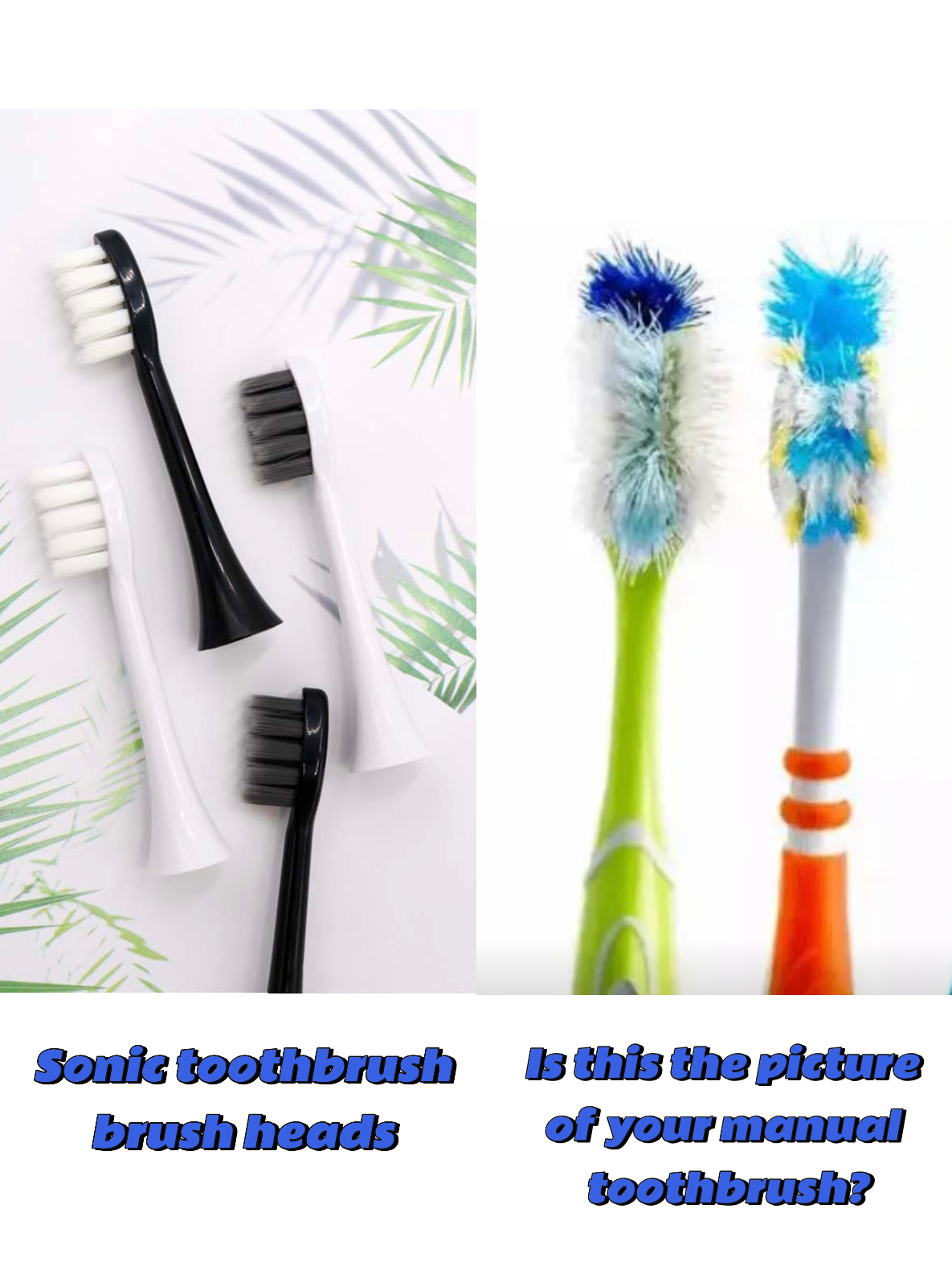
The replaceable head sonic toothbrush is rapidly becoming a preferred choice for international distributors focusing on sustainability, value, and long-term usability. Because consumers increasingly seek eco-friendly and cost-effective products, replaceable-head systems provide clear advantages over disposable toothbrushes or single-piece electric designs. Moreover, offering replaceable brush heads strengthens brand loyalty, as customers return for ongoing replacements. Consequently, OEM suppliers benefit from repeat sales and expanded product ecosystems. Why Replaceable Brush Heads Benefit Retail Buyers Replaceable-head systems reduce plastic waste, lower long-term customer costs, and extend the lifecycle of each device. Although standard electric toothbrushes offer convenience, replaceable designs create a more complete oral-care ecosystem. Therefore, retailers can market these products as both environmentally conscious and practical for daily use. The Oral Health Foundation recommends replacing brush heads every three months to maintain effective plaque removal (https://www.dentalhealth.org/). This recommendation directly supports the recurring sale opportunity for OEM distributors. OEM Customization Options for Replaceable Sonic Designs OEM brands can request various brush-head types, including soft, sensitive, polishing, and deep-clean styles. Additionally, replaceable-head toothbrushes offer excellent branding flexibility through custom colors, materials, and packaging options. Browse available replaceable-head structures at:https://powsmart.com/electric-toothbrush Supporting Sustainability and Long-Term Product Value Replaceable-head systems align with global sustainability trends. Because…
The quiet operation electric toothbrush has become increasingly attractive to global distributors who want to deliver silent yet powerful oral-care devices. As consumers continue to seek more comfortable brushing experiences, low-noise performance has emerged as a valuable selling feature. Because noise sensitivity affects a broad range of users—including parents, travelers, and professionals—retailers find that quiet-operation designs achieve significantly higher satisfaction rates. Moreover, modern OEM buyers recognize that quieter toothbrushes enhance product positioning in mid-to-high-end categories. Therefore, brands targeting premium customers often prioritize devices engineered with reduced vibration sound and balanced motor technology. Why Low-Noise Sonic Technology Matters for Retail Buyers Quiet performance is more than a comfort feature; it significantly improves user experience. Although standard sonic motors offer powerful cleaning, unnecessary noise can reduce perceived quality. Consequently, low-noise engineering helps brands differentiate their products in competitive marketplaces. Additionally, consumers increasingly use electric toothbrushes during late-night routines or shared living environments. Since quiet devices minimize disturbances, they appeal to a wider demographic. Industry organizations such as the Oral Health Foundation emphasize user comfort as an important component of maintaining long-term brushing habits (https://www.dentalhealth.org/). OEM Customization Options for Silent Sonic Toothbrushes To meet diverse market needs, low-noise toothbrushes can be customized with…

As oral-care devices become more advanced, manufacturers increasingly rely on a custom Brush Handle Mold to ensure reliable integration of a Calcified Deposit Remover mechanism. Achieving stable performance for such precision functions requires careful structural engineering, ergonomic shaping, and process-driven mold optimization from the earliest design stage. Structural Reinforcement Ensures Mechanical Stability A Calcified Deposit Remover often requires higher vibration force or rotary torque compared with standard brushing tools. A custom Brush Handle Mold allows engineers to thicken load-bearing zones and reinforce internal ribs, preventing flex or deformation during high-intensity operation. Dedicated Internal Cavities Enable Mechanism Integration Custom molding makes it possible to design internal channels, motor compartments, and transmission mounts that securely house the remover module. These precision pockets ensure smooth mechanical alignment, efficient power delivery, and consistent deposit-removal performance. Optimized Weight Distribution Improves User Control Because a Calcified Deposit Remover requires precise handling, the handle must feel balanced. Tailored mold geometry lets manufacturers shift mass toward the grip zone, improving maneuverability and reducing user fatigue in plaque-dense or hard-to-reach areas. Material Selection Enhances Vibration Dampening Through a custom Brush Handle Mold, OEMs can choose polymers with specific damping properties. Materials can be adjusted to absorb unwanted vibration while…
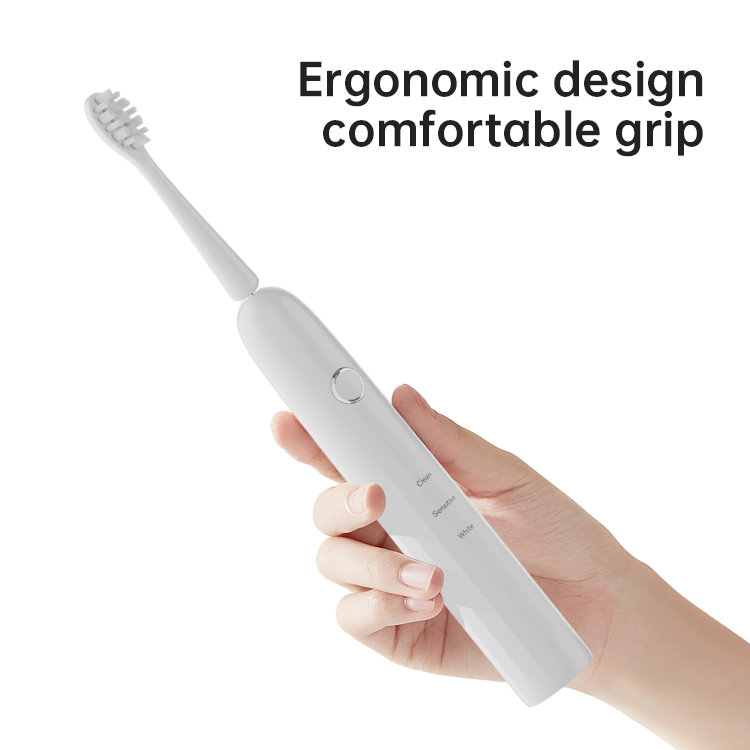
As irrigator technology advances, manufacturers are increasingly evaluating how Bristle Configuration Design influences long-term Saline Solution Compatibility. Because saline solutions have higher ionic concentrations than pure water, their interaction with brush heads and peripheral cleaning attachments must be carefully engineered to ensure durability, flow efficiency, and user safety. Material Pairing Determines Resistance to Ionic Corrosion Different bristle materials—such as PBT, nylon, or silicone—react differently to saline exposure. Proper Bristle Configuration Design ensures material selection, filament spacing, and surface treatments that prevent degradation or brittleness when used with saline-based irrigators. Bristle Density Affects Fluid Channeling During Saline Irrigation Saline’s viscosity and surface tension differ slightly from water, making bristle density and clustering essential. When the configuration is optimized, the system maintains Saline Solution Compatibility by allowing fluid to pass evenly without turbulence or clog formation. Tip Shape and Filament Pattern Influence Cleaning Efficiency Tapered, rounded, or micro-textured bristle tips each behave differently when exposed to saline flow. An engineered filament pattern enhances directional control of saline streams, improving interdental penetration and reducing aerosolization. Structural Geometry Helps Prevent Salt Crystallization With repeated saline use, salt residues can accumulate near the bristle base. A well-developed Bristle Configuration Design incorporates drainage gaps, hydrophobic channel…
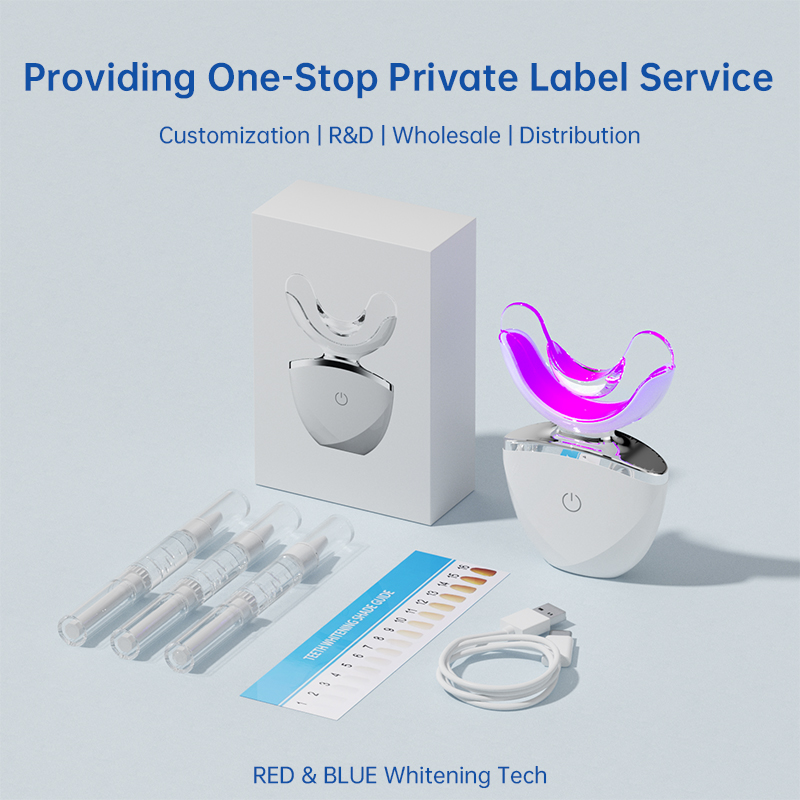
As smart toothbrushes evolve, brands increasingly explore how Accelerometer-based Feedback can work together with a Pressure-sensitive Matrix to deliver real-time brushing guidance and improved oral hygiene outcomes. Integrating these two sensing technologies enables toothbrushes to capture motion data, pressure distribution, and brushing behavior in a unified system—providing users and manufacturers with unprecedented accuracy. Motion Tracking Defines Brushing Orientation and Stroke Patterns The accelerometer module continuously records direction, speed, and angle changes. This Accelerometer-based Feedback ensures the toothbrush correctly identifies brushing zones, helping manufacturers design intelligent brushing algorithms that adapt to user behavior. The Pressure-sensitive Matrix Measures Distributed Force in Real Time Unlike simple force sensors, a Pressure-sensitive Matrix captures multi-point pressure variations across the brush head. This allows the device to detect excessive force, uneven pressure, or ineffective strokes—critical data for improving user safety and brushing efficiency. Sensor Fusion Enhances Accuracy of Smart Brushing Analytics When both systems are integrated, accelerometer motion vectors are combined with pressure distribution signals through sensor-fusion algorithms. This fusion minimizes false readings and delivers a more precise interpretation of brushing activity, even with rapid user movements. Brush Head and PCB Layout Design Affect Signal Reliability Effective integration requires aligning the Pressure-sensitive Matrix beneath the bristle…
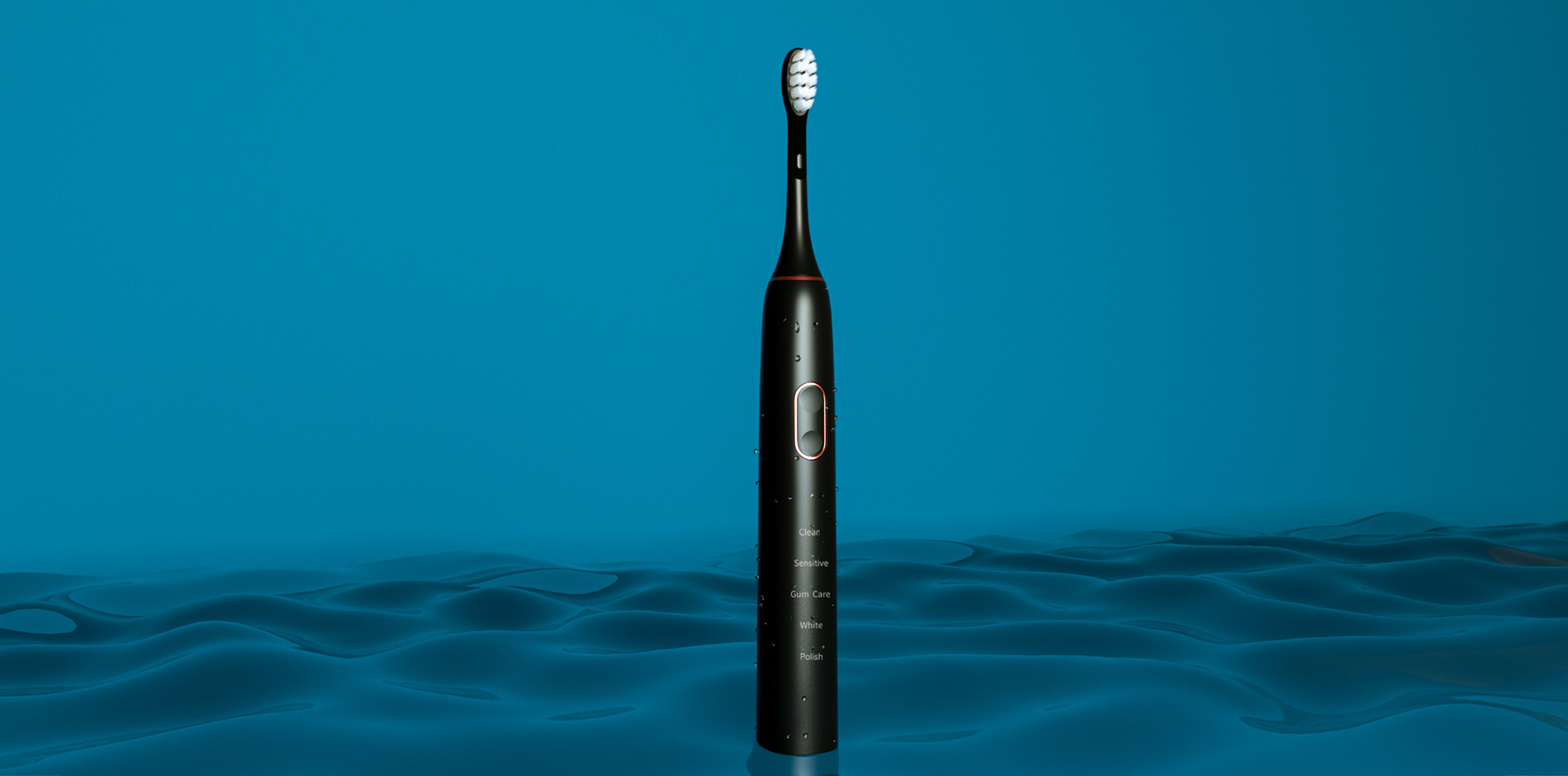
As more oral care brands pursue advanced cleaning performance, many OEM partners are asking whether Cavitation Cleaning Technology can reach its full potential when paired with a Micro-perforated Brush Head. Since cavitation relies on micro-bubble formation and controlled fluid dynamics, brush head architecture becomes a critical design variable that directly influences efficiency, consistency, and cleaning depth. Micro-perforation Geometry Supports Stable Bubble Formation Cavitation requires micro-turbulence and pressure differentials to create controlled bubble collapse. The size, spacing, and shape of perforations in a Micro-perforated Brush Head help regulate fluid flow, allowing Cavitation Cleaning Technology to generate bubbles more consistently around the tooth surface. Optimized Fluid Pathway Enhances Cleaning Penetration Perforations enable water and toothpaste slurry to circulate around bristles more freely. This improves cavitation-driven penetration into interproximal gaps, making the brush head a functional amplifier rather than just a carrier of bristles. Material Selection Affects Acoustic Energy Transfer Cavitation performance depends on precise vibration frequencies. The elastomers or polymer blends used in the Micro-perforated Brush Head influence acoustic resonance and energy transmission. A softer material may dampen bubble activity, whereas engineered polymer composites can enhance micro-vibration propagation. Structural Reinforcement Ensures Durability Under High-frequency Vibrations Since Cavitation Cleaning Technology involves rapid oscillation…
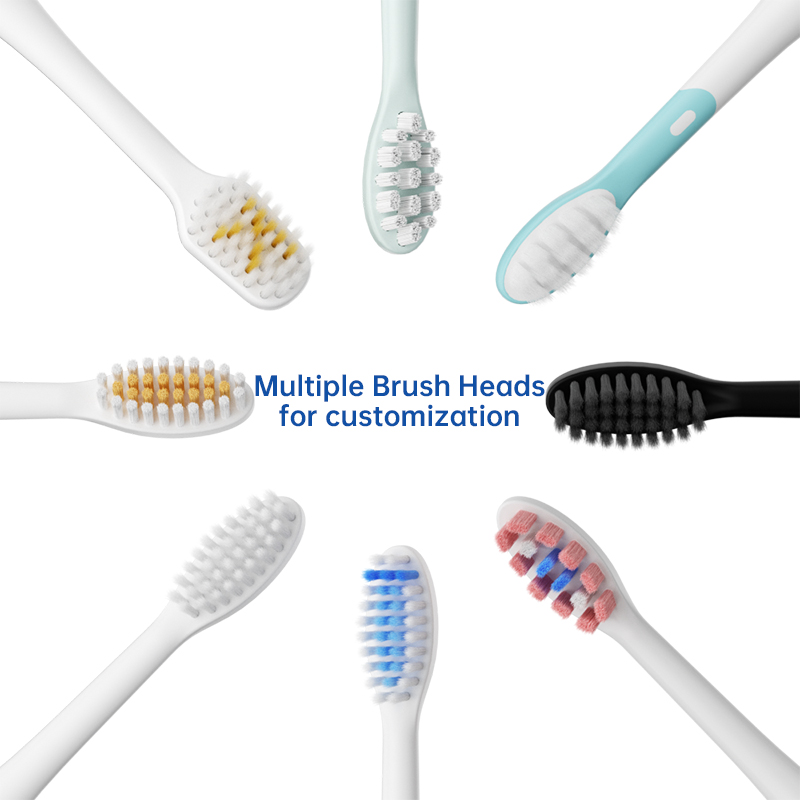
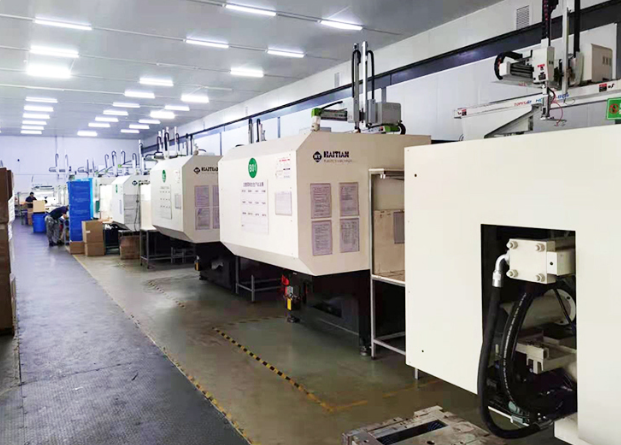
In OEM electric toothbrush production, the Brush Head Attachment Mechanism plays a decisive role in shaping the entire Toothbrush Mold Design. Because the attachment interface defines how the brush head connects, rotates, transmits force, and maintains long-term stability, it becomes one of the core engineering factors manufacturers must consider at the earliest design stage. An optimized mechanism ensures durability, cost-efficiency, and seamless compatibility across multiple product lines. Structural Integration Begins With the Attachment Type Snap-fit, twist-lock, magnetic, and spline-driven Brush Head Attachment Mechanisms each require different internal geometries. These variations directly influence Toothbrush Mold Design, dictating cavity layout, internal ribbing, and thickness distribution. Force Transmission Requirements Shape Internal Mold Geometry The way brushing torque is transferred—from the motor shaft through the attachment point—affects the reinforcement areas inside the handle mold. A stable Brush Head Attachment Mechanism helps determine rib patterns, core-pin placement, and tolerance strategies during injection molding. Dimensional Tolerances Impact Mold Complexity Because the attachment interface must maintain micrometer-level accuracy for performance and safety, the Toothbrush Mold Design must account for shrinkage rates, deformation control, and precision tooling. High-tolerance mechanisms often increase mold cost and require refined steel choices. Durability and Wear Resistance Influence Material Selection The mechanism interface…
whstapp
whstapp
National Toll-Free Service Hotline
+86 755 86238638

.jpg)
.jpg)
.jpg)
.jpg)
.jpg)






-2-scaled.png)